Your grandchildren are already using AI. Not occasionally. Regularly. Most of them don't think of it as a big deal. It's just part of how they do things. If you want to have a real conversation with them about it, the first step is knowing what they're actually using it for.
What they're actually using
Kids in school are using AI to help with homework, writing, and research. Some schools allow it, some don't. Teenagers are using it the way previous generations used Google. As a first stop for questions.
The youngest ones are growing up with it as a given, the same way you grew up with television becoming a given. It's already part of their daily life. They don't think of it as exotic technology. They think of it the way you think of a microwave. It's just there.
A common example: a high schooler working on an essay about the Civil War might ask ChatGPT to explain the economic causes, then read what it says, and use that to structure their thinking before they write. Or a 12-year-old might ask it to help them brainstorm ideas for a science project. Or a teenager might paste in a job application they're nervous about and ask for feedback. These are ordinary uses. Not exotic ones.
What the worry is (and whether it's worth having)
Most adults who haven't used AI themselves worry about the same things: kids becoming dependent on it, not learning to think for themselves, or getting wrong information. These are reasonable concerns. But they're also exactly the same concerns parents had about calculators in the 1970s, spell-check in the 1990s, and Google in the 2000s.
The technology changed. The question stayed the same. How do you use a tool without the tool doing the thinking for you? That's a real question. It's just not a new one. And the kids who use calculators well still learned how to multiply. The question isn't whether to use the tool. It's how to use it without losing your own thinking in the process.
How to have the conversation
The most useful thing you can do is learn enough to ask a real question. Not "is AI good or bad?" That conversation goes nowhere. Try something like: "Show me what you use it for."
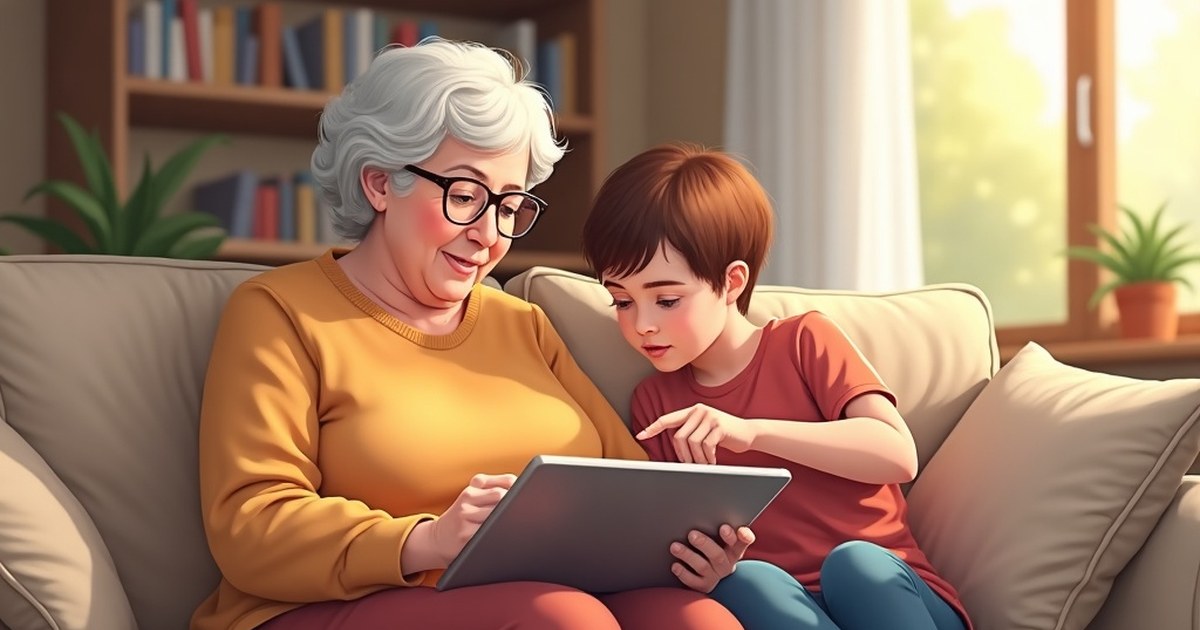
Most kids are happy to demonstrate. You learn something. They feel like the expert for once. That's a better dynamic than lecturing them about risks you can't fully explain. It turns the conversation into something you're both part of.
After you've seen what they do with it, you're in a much better position to talk about it. You're no longer speaking from worry. You're speaking from actual knowledge.
If you want to understand the tools yourself first, this explanation of what AI actually is is a good place to start. Ten minutes. Plain English. No technical background needed.
The thing worth saying out loud
AI makes things up. It does it confidently. It does it in complete sentences that sound completely reasonable. The habit of asking "how do I know that's right?" matters more with AI than with anything else they're using.
That's a conversation worth having. And you're better positioned to have it if you've used the tools yourself. Not as an expert. Just as someone who's spent ten minutes in the same text box they use every day.
A habit worth passing on: teach them to fact-check one AI answer per day. Pick something it told them. Look it up somewhere else. See if it matches. That one habit changes the whole relationship with the tool. From blind trust to useful skepticism. You can model it too. Ask AI something together, then look it up.
To understand more about why AI gets things wrong, that piece explains the mechanics in plain English. Useful context for the conversation you're planning to have.
The generation that asks "but how do we know that's true?" will be better at using AI than the generation that doesn't. You can help start that habit earlier than anyone else in their life.
What you can do this week
You don't need to become an AI expert to be a useful resource for your grandchildren. You need to be curious about the same things they're curious about. That's it.
Pick one thing: spend fifteen minutes with ChatGPT before you see them next. Ask it something you genuinely want to know. Notice what it does well. Notice what feels off. Arrive with your own observations instead of borrowed opinions.
When you sit down with them and say "show me what you use it for," you'll be asking from genuine curiosity. That comes across. It changes the whole dynamic from a safety lecture into an actual conversation between two people who are both figuring something out.
The kids who grow up understanding what AI can and can't do will be better at using it, and better at spotting when it's being used to mislead them. That's a skill worth helping build. You're in a better position to help than you probably think.
The generation that asks "but how do we know that's true?" will be better at using AI than the generation that doesn't. You can help start that habit earlier than anyone else in their life.